Every child grows and develops at their own pace, but some differences in development may be early signs of autism spectrum disorder (ASD). Autism is a complex neurodevelopmental condition that affects how a person interacts with others, communicates, and experiences the world. No two children with autism are exactly alike. Some may have mild challenges, while others face more significant difficulties.
Whether you’re a parent, caregiver, or concerned loved one, learning to recognize the early signs of autism can make a meaningful difference. Early intervention and support can help children with ASD thrive socially, emotionally, and academically.
What Is Autism Spectrum Disorder (ASD)?
ASD refers to a group of developmental differences that impact social interaction, communication, and behavior. The word “spectrum” reflects the wide range of symptoms and abilities among individuals with autism. Some children may speak fluently and perform well in school but struggle with social cues, while others may be nonverbal and need daily support with everyday activities.
ASD is typically diagnosed in early childhood, although symptoms can appear as early as infancy. Autism is more common than many realize, and is currently estimated to affect approximately 1 in 36 children in the United States.
In some cases, children seem to develop typically at first, but then begin to lose previously acquired skills: a process known as regression.
Key Signs and Symptoms of Autism
While symptoms of ASD can vary, most children display differences in three main areas: social interaction, communication, and behavior.
-
Social Differences
Children with ASD often struggle with typical social interactions. They may avoid eye contact, seem uninterested in playing with others, or not respond to their name. Some children have difficulty understanding other people’s emotions or facial expressions, and may not share their interests by pointing or showing objects to others.
Even as children grow older, they may have trouble forming friendships, understanding others’ perspectives, or responding appropriately to social cues. Their tone of voice, body language, or facial expressions may not match their emotions, making it difficult for others to understand how they feel.
-
Communication Challenges
Autism can affect both verbal and nonverbal communication. Some children may:
- Speak later than expected or not speak at all
- Use gestures or sounds instead of words
- Repeat words or phrases out of context (a behavior called echolalia)
- Talk at length about favorite topics without noticing others’ reactions
- Struggle to have two-way conversations
Even when children with ASD have strong vocabularies, they may find it hard to express their feelings or understand jokes, sarcasm, or figurative language.
-
Repetitive Behaviors and Routines
Many children with autism engage in repetitive behaviors such as hand-flapping, rocking, or spinning objects. Others may develop intense interests in specific topics, like train schedules or numbers, and prefer to focus only on those subjects.
Children with ASD often find comfort in routine. Changes in daily schedules, such as taking a different route to school or trying a new food, can be very upsetting. In some cases, even small disruptions may trigger emotional outbursts or withdrawal.
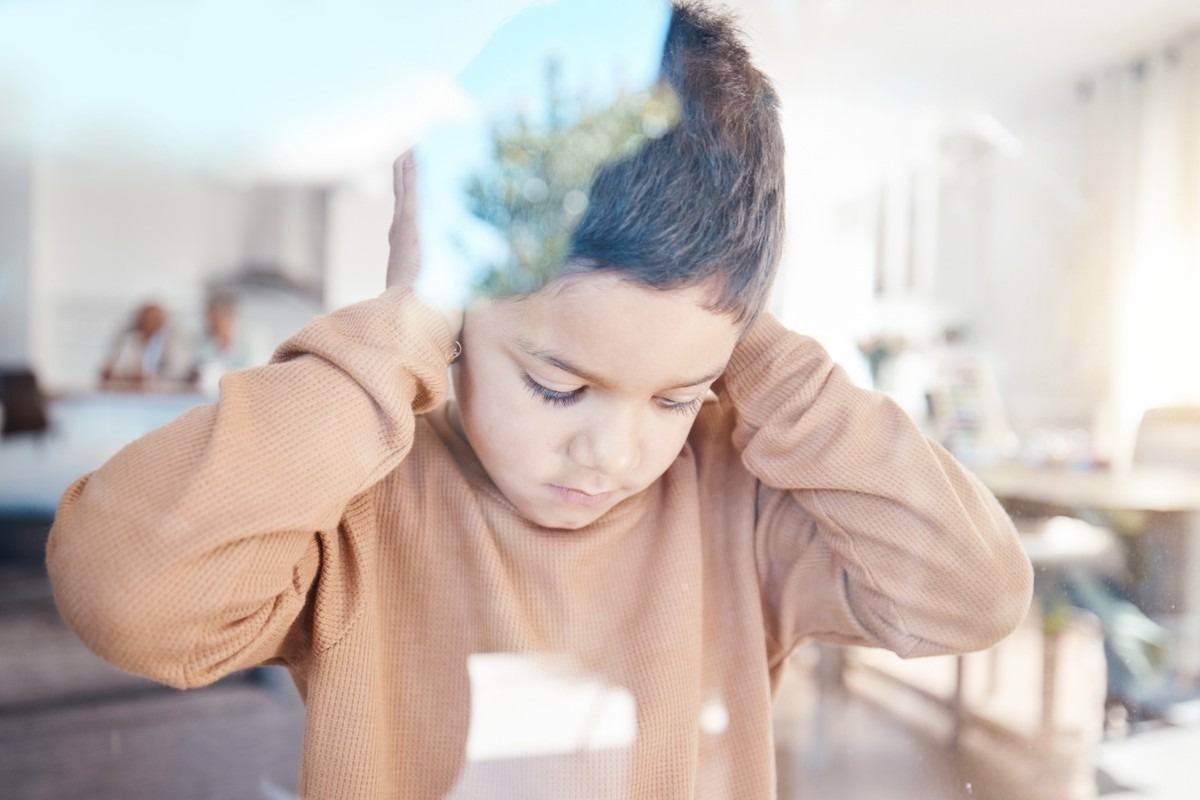
These behaviors aren’t always obvious. Some children may simply seem “quirky” or extremely particular, while others show more noticeable signs of distress. Many experience more explicit sensory sensitivity, such as being overwhelmed by loud noises, bright lights, or certain textures.
What Causes Autism?
There is no single known cause of autism. Research suggests that a combination of genetic, neurological, and environmental factors likely plays a role. The rise in autism diagnoses likely reflect an expanded awareness and better screening, rather than an actual increase in incidence.
In many cases, autism runs in families. Differences in how the brain processes information and responds to social signals may also contribute.
It’s important to remember that autism is not caused by parenting styles, vaccinations, or any single external factor. It is a complex and deeply individualized condition that requires compassionate understanding and support.
When to Seek an Evaluation
If you notice several signs of ASD in how your child communicates, interacts, or behaves, it’s a good idea to talk to your pediatrician or a behavioral health provider. Early diagnosis is key, and there are tools available to help assess developmental milestones.
Some early red flags to watch for include:
- Limited or no eye contact
- Lack of response to their name by 12 months
- Delayed speech or language loss after early development
- Minimal interest in peer interaction or pretend play
- Strong resistance to changes in routine
- Unusual repetitive movements or focused interests
- Children may struggle with social reciprocity, the natural back and forth of conversation and emotional exchange
Not every child with autism shows all of these signs, and having one or two doesn’t necessarily mean a child has ASD. That’s why a professional evaluation is essential to understanding what’s really going on.
Supporting Children with Autism
Although autism is a lifelong condition, many children make significant progress with the right support. Treatment plans are personalized and may include:
- Behavioral therapy, such as Applied Behavior Analysis (ABA), which teaches new skills and encourages positive behaviors
- Speech and language therapy to support communication
- Occupational therapy to improve motor skills and adaptive functioning
- Social skills training to help with peer interactions
- Educational supports and individualized learning plans
Families may also benefit from counseling, support groups, and training programs to help navigate life with ASD and advocate for their child’s needs. Each child’s needs are unique, and care plans should be interdisciplinary and tailored to their specific strengths and challenges.
Creating a consistent, structured environment at home and school can help children with ASD feel more secure and better able to learn. Celebrating small successes and remaining patient through challenges can go a long way in building confidence and resilience.
Looking Ahead
Raising a child with autism brings both unique joys and challenges. While each child’s path is different, early diagnosis and intervention can help lay the foundation for a fulfilling and independent life.
At Connecticut Behavioral Health Associates, we are committed to helping families navigate the autism journey with empathy and expertise. Whether you’re seeking an evaluation, a second opinion, or long-term support, our team is here to help.
Let’s Work Together Toward Progress
If you suspect your child may have autism or if you’re looking for additional support after a diagnosis, reach out to us. Together, we can create a care plan that meets your child’s unique needs and helps them grow with confidence.
Contact Connecticut Behavioral Health Associates today to schedule an appointment with one of our experienced providers.